Teenagers don’t usually think about getting breast cancer, but new study findings may change that. Researchers confirm that cancer cases are on the rise for people under the age of 50, and these risks are expected to increase with every generation.
For now, breast cancer in teenagers is still rare. However, breast cancer can happen at any age, so it’s important to know the risk factors. In honor of Breast Cancer Awareness Month, let’s take a moment to discuss how this disease affects our younger generation, why it’s so critical to stay informed, and how FastMed can help.
Breast lumps: part of puberty or something more?
Developing breasts is a new and sometimes unnerving experience for teenagers. Early breast development often begins as a lump under the nipple, which may concern a young teen who’s worried about breast cancer.
Primary breast cancer is very rare in teenagers. Of the cases that are malignant, most are metastatic from other cancers. Secondary cancers of the breast typically occur following radiation to the chest to treat another type of cancer.
Overall summary: breast cancer is rare in children and teenagers. Predisposing factors include a history of cancer and exposure to radiation.
Other reasons why a teenager might develop a lump in their breast include:
- Breast cysts – Small growths in the breast tissue, Breast cysts are clinically described as firm, smooth, discrete and frequently painful masses (although can be painless).
- Fibroadenoma – Clinically described as rubbery, well-circumscribed, mobile masses, their average size is 2-3 centimeters.
It’s normal to feel lumps while breasts are developing. However, if a lump causes your teen any discomfort or appears to change or grow in size, consult a doctor.
Breast pain is also common in teens
Developing breasts can be uncomfortable and even painful at times. For some teens, breast pain is affected by changing hormone levels. Typically, it’s worst just before a period but then subsides afterward. For others, the pain can occur at any time. Even an ill-fitting bra can cause breasts to hurt.
Know the symptoms of breast cancer
Because the usual symptoms of puberty (such as breast lumps) can cause confusion, here are other breast cancer symptoms to watch for:
- Swollen lymph nodes under the armpits or in the neck
- Unexplained changes in the shape or symmetry of the breast
- Discharge from the nipple not related to menstruation, pregnancy or breastfeeding
- Changes in the skin of the breast or nipple, such as puckering or dimpling
- Bloody nipple discharge
- Itchy, scaly rash on the breast
Teen diagnosis Is more difficult
Without visible symptoms, diagnosing breast cancer in teenagers and young adults is more difficult, mainly because their breast tissue is generally denser.
By the time a cancerous lump in a younger person can be felt, the disease may be more advanced. Breast cancer in younger people can also be aggressive and less likely to respond to treatment.
So, while developing breast cancer as a teenager is rare, it’s still essential to know the risk factors.
Risk factors for breast cancer
The following factors can result in a higher risk of breast cancer, from the teenage years and up:
- A family history of breast cancer, particularly in a mother, sister or daughter
- Getting your first period before age 12
- Mutated BRCA1 or BRCA2 gene
- Radiation treatments to the chest
- Heavy alcohol use
- Obesity
- Smoking
Teenagers may be relieved to learn that despite popular belief, you don’t increase your risk of breast cancer by:
- Injuring your breast
- Using deodorant
- Having your nipple pierced
- Carrying a cell phone in your breast pocket
Be diligent about breast self-exams
Breast self-exams to check for lumps and other changes can help people of all ages detect the early signs of cancer. By knowing how their breasts feel normally, your teen will be better prepared to detect changes in shape or texture. They should also get regular breast exams from a doctor.
Count on FastMed for convenient care
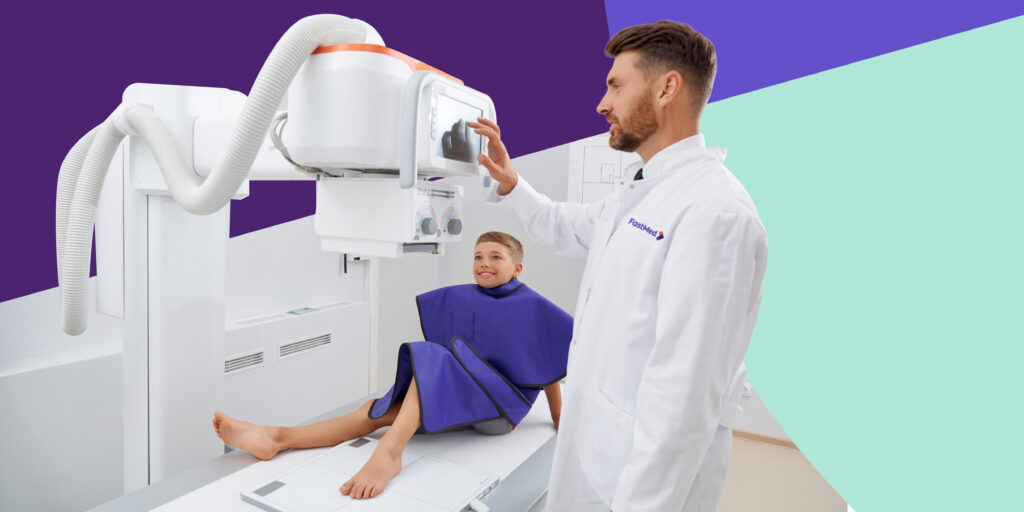
In addition to immediate care for injuries and illnesses, FastMed urgent care locations provide a wide range of diagnostic services, with onsite digital X-rays and lab services for one-stop convenience.
We’re open seven days a week, 365 days a year, including holidays. You can walk in anytime, or schedule a visit in advance. Onsite radiology services only at select locations, contact your nearest location today to ask.
Our knowledgeable, friendly staff treats children, teens and adults of all ages. Visit a FastMed location in your neighborhood today!
About FastMed
FastMed is a North Carolina-based integrated healthcare company based in Durham, NC. It operates more than 50 locations in 34 counties providing urgent care and occupational health as well as primary care at select locations. FastMed accepts most insurance plans and is one of a few private urgent care centers also accredited by The Joint Commission. Learn more at fastmed.com.